

Most buyers walk into a home and notice the kitchen first. They focus on the countertops, cabinet hardware, and backsplash tile. Then they move to the bathrooms. Then the yard. They view the home the way it was staged. As a licensed general contractor turned Realtor, I see the home inspection red flags they miss.
I look at houses differently. Before becoming a real estate agent, I spent 25 years in construction. I am a licensed general contractor with a 23-year Massachusetts license and work as a master finish carpenter. I ran my own firm in Newton, where I was born and raised. We specialize in renovating historic homes across Newton, Brookline, Cambridge, Wellesley, and the MetroWest Boston area. I have framed walls, pulled permits, opened hundred-year-old plaster, and rebuilt homes from the studs.
That background shapes how I evaluate a property. Most people see a beautiful renovation. I focus on what sits behind it. A typical agent sees a finished product. I look at the decisions made along the way and the ones skipped.
So what should you look for when buying a home in Greater Boston?
Why Is My Attic Moldy? Bathroom Exhaust Fans That Vent to Nowhere
What happens when a bathroom exhaust fan vents into the attic instead of outside?
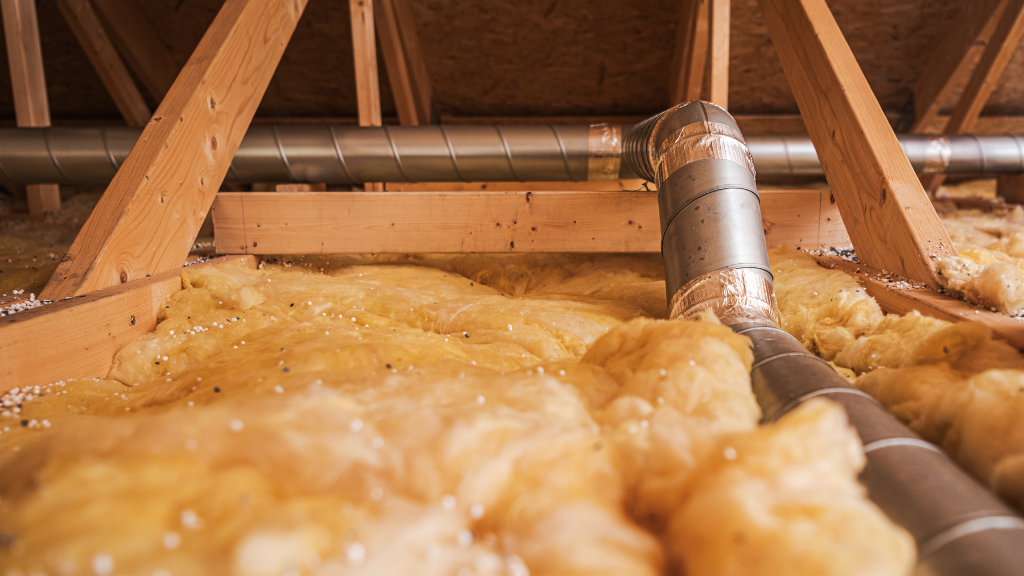
This issue comes up often, especially in older homes with partial updates. A homeowner or contractor installs a fan, runs the duct into the attic, and stops there. The duct ends in insulation or stays open. It blows warm, moist air into the attic instead of outside.
The result is predictable if you understand building science. Moisture builds in the attic over time. In a Massachusetts winter, it condenses on the roof sheathing and freezes. When it thaws, you get staining, mold, and eventually rot in the roof decking. I have seen attics with blackened sheathing from years of improper venting. The homeowner often has no idea. They assume the fan works because they hear it running.
This issue does not appear on most checklists at a glance. You need to enter the attic and trace the ductwork. Most buyers, understandably, never go up there.
What a Dirty Furnace Filter Really Tells You About a Home
Can a furnace filter reveal how well a home has been maintained?
One of the first things I do is pull the furnace filter. It takes seconds and reveals a lot about maintenance habits.
I have pulled filters packed with dust until the cardboard frame collapsed inward. The blower tried to pull air through a solid wall of debris. That usually means the filter has not been changed in a long time, sometimes for years. If the seller ignored that, what else did they ignore?
A neglected filter forces the HVAC system to work harder. It runs longer, builds excess heat, and pushes unfiltered air through the ducts. This accelerates wear on the blower motor and heat exchanger. It also suggests the ductwork is full of dust, which adds to cleanup costs. One clogged filter often signals broader deferred maintenance.
Sewer Gas in the Attic: Plumbing Vent Pipes That Never Made It Through the Roof
What happens when a plumbing vent pipe does not terminate through the roof?
Every drain system needs a vent pipe that exits through the roof. The vent lets air into the system so water flows properly and gases are exhausted above the roofline. This has been standard code for decades.
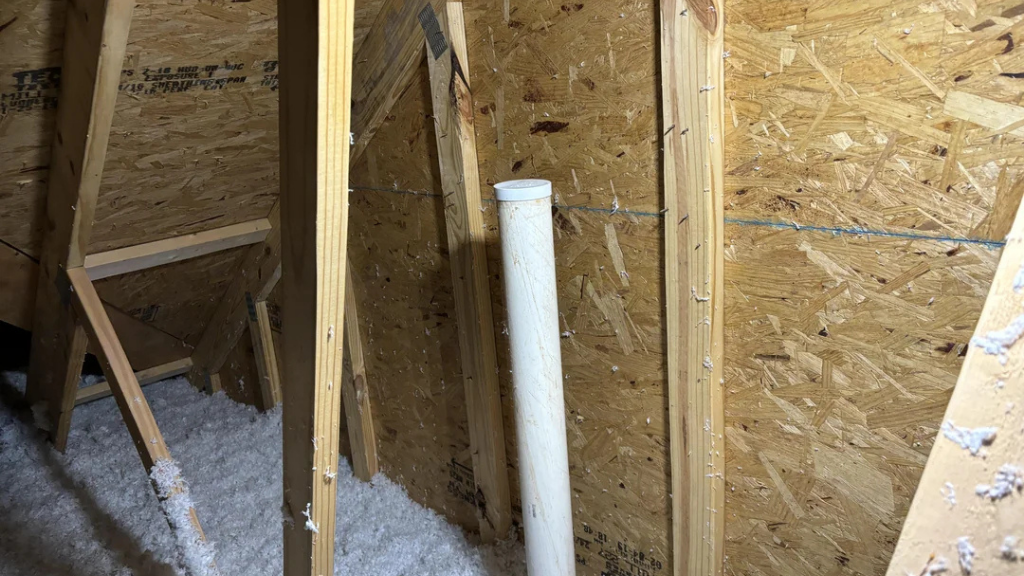
I have walked into attics and found PVC vent pipes that stop short. They were run up through the framing and left there. They never penetrated the roof. That setup releases sewer gases, including methane and hydrogen sulfide, into the attic. In some homes, those gases enter living spaces through openings or fixtures.
You may not notice this home inspection red flag during a short showing. Over time, though, the health risks are real. It also raises a key question: who did the work, and was it permitted? Often, the answer points to DIY work or an unlicensed contractor who cut a corner.
Is This Deck Safe? How to Spot Missing Structural Support
What are the risks of a deck that is missing structural columns or posts?
As a licensed general contractor, decks are one of the most common places I find shortcuts, especially when added after the original build. The biggest concern is missing support posts that should carry load but are not there.
I have seen decks with spans that are too long, weak ledger connections, and beams asked to do too much. Some builders skip a post and hope the beam holds. On older decks, weathered lumber can hide these issues.
If you understand load paths and span tables, the math is clear. A deck missing a column is overloaded. Over time, it will sag, pull away, or fail.
Deck collapses are not theoretical. They happen, often during gatherings when loads peak. This is not cosmetic. It is a safety issue.
Roof Flashing Problems: The Leak You Cannot See Until It Is Too Late
How does poor roof flashing cause hidden water damage in older homes?
Roof flashing seals transitions where the roof meets walls, chimneys, skylights, and valleys. When installed correctly, it works quietly. When done poorly or skipped, water finds a way in. The damage often stays hidden inside walls or ceilings until it becomes serious.
In older housing across Newton, Wellesley, Brookline, and nearby towns, I see flashing issues often. Some installers face-nail step flashing instead of weaving it into shingles. Others rely on sealant at chimneys instead of proper counter-flashing.
These shortcuts may last a few years. Then they fail. Repairs often require opening finished walls to fix the damage behind them.
Why Does My Basement Leak? Grading and Drainage Mistakes Around the Foundation
Can the grading around a home cause basement water problems?
Water management around the foundation is often overlooked and expensive to fix later. The ground should slope away from the house. When it does not, water pools near the foundation and seeps inside.
As a real estate agent in MetroWest Boston with a construction background, I check grading on every property. Over time, mulching, landscaping, and soil settlement can reverse the slope. Downspout extensions may be missing or too short, which makes the problem worse.
A finished basement can look great during a showing. If the grade pushes water toward the walls, a moisture issue is likely waiting.
How to Tell If a Renovation Was Done Right: What the Finish Work Reveals
How can you tell if a home renovation was done by a licensed contractor or a handyman cutting corners?
This is where the carpenter in me shows up. Finish carpentry is the final layer, and it reveals the quality underneath. Tight trim, consistent reveals, and clean joints suggest careful work behind the walls.
Poor finishes tell a different story. Gaps in crown, caulked base joints, and misaligned cabinet doors point to rushed or unskilled work. They may also indicate framing that is not straight or plumb.
In Greater Boston, renovated homes in Wellesley, Newton, Brookline, Lexington, and Cambridge often exceed a million dollars. The gap between quality work and shortcuts can mean tens of thousands in hidden issues. You will not see these home inspection red flags in listing photos.
Electrical Panel Red Flags Every Home Buyer Should Know
What should you look for in a home’s electrical panel before buying?
I always open the electrical panel during a showing. It shows system capacity, updates, and workmanship.
Common issues include double-tapped breakers and panels with no space for new circuits. That becomes a problem when a buyer wants a home office, EV charger, or upgraded HVAC.
In older homes across MetroWest, I still find Federal Pacific or Zinsco panels, both known for safety concerns. Inspectors do not always flag these unless trained to look for them. That is the kind of knowledge a real estate agent with a construction background brings to every MetroWest Boston showing.

Why Working With a Licensed General Contractor Gives You an Edge as a Buyer
None of these home inspection red flags should scare you away from buying. Every home has issues. What matters is knowing them before you commit and having someone who can estimate the cost to fix them.
That is the value of working with a licensed general contractor who also happens to be your real estate agent in MetroWest Boston. I do not just point out problems; I explain whether an issue is cosmetic or structural and estimate whether it is a $200 fix or a $20,000 project. I also help you decide if it should change your offer or just your timeline.
Most agents have not framed a wall, pulled a permit, or worked with inspectors on job sites. I have done all of that, many times, across demanding towns in Massachusetts. That experience does not replace a formal inspection. It gives my clients a second set of eyes that knows what to look for and when to dig deeper.
About Paul Neavyn
Paul Neavyn is a Global Real Estate Advisor and real estate agent serving MetroWest Boston and Greater Boston with Gibson Sotheby’s International Realty. A Newton native with 25 years in construction, Paul is a licensed general contractor and master finish carpenter. He brings a builder’s perspective to every transaction. Whether you are buying, selling, or investing, Paul’s construction expertise and local knowledge give you an edge most agents cannot offer.
Contact Paul Neavyn to schedule a buyer consultation.
