
A $2 million home search in MetroWest sounds straightforward until the listings begin to tell two very different stories. The Wellesley vs. Weston question is a good example. Both towns carry headline averages near the $2 million mark, yet the homes that actually trade hands, and what that budget buys in condition, land, and location, differ in ways the averages hide.
That does not mean one town automatically offers more value than the other. The better question is what kind of value matters most to you. Are you willing to trade lot size for village convenience? Would you prefer more privacy, even if the home needs work? Is your priority commuting, architecture, land, or a move-in-ready interior?
At this price point, the decision is less about choosing a winner and more about understanding which trade-offs fit your daily life.
What $2 Million Means in Wellesley vs. Weston
Zillow’s home value index for Wellesley and its index for Weston both sit near $2.07 million as of mid-2026. Those figures blend everything: condos, smaller older houses, premium locations, and larger estates.
The single-family picture is where the Wellesley vs. Weston gap shows up. Across single-family sales settled between January and August 2026 (MLS PIN), Wellesley’s median sale price was $2.40 million and Weston’s was about $2.67 million. The sharper difference is below the line: roughly four in ten Wellesley single-family sales closed at or below $2 million this year, compared with about one in four in Weston. In practice, $2 million buys real options in both towns, but it reaches deeper into Wellesley’s inventory, which is why condition, land, and location trade-offs drive the search.
Wellesley Often Asks Buyers to Pay for Connection

Wellesley buyers are frequently paying for more than the house itself. They are also paying for access to village centers, commuter rail, restaurants, shops, schools, parks, and a community layout that makes everyday errands more convenient. For a full walkthrough of the process, see our guide to buying a home in Wellesley.
The Home May Require a Clear Compromise
Near this budget, buyers may need to choose between size, condition, and location.
A renovated home in a strong location may have a smaller lot. A larger property may sit farther from town. An older home may offer character and a desirable street but need updates to the kitchen, bathrooms, roof, heating system, or electrical service.
Weston Often Shifts More Value Toward Privacy and Land
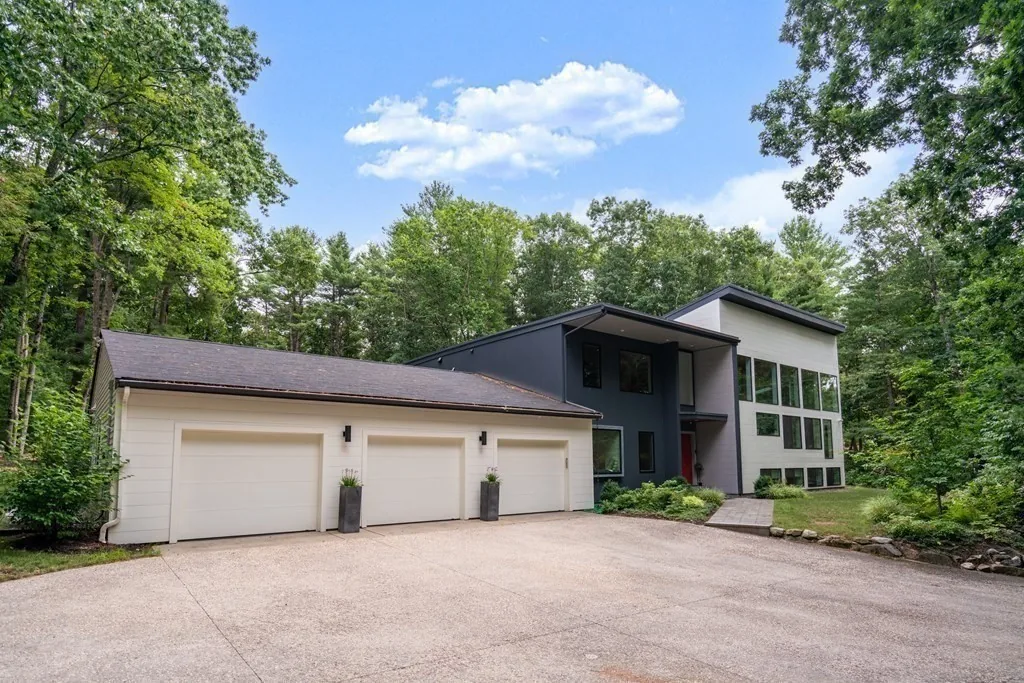
Weston offers a different residential experience. Larger lots, lower-density neighborhoods, mature landscaping, and quieter roads shape much of the town’s appeal.
Because single-family sales in Weston concentrate above the $2 million line, buyers at this budget may find older homes, properties needing renovation, or houses that do not include every feature associated with Weston’s higher-end inventory.
More Land May Come With More Work
A Weston property may offer greater privacy, deeper setbacks, or a larger lot while providing less updated interior space than buyers initially expect.
That can work well for someone who values outdoor space, future expansion, or a quieter setting. It may be less appealing to a buyer who wants a turnkey home near shops and restaurants.
Older Homes Deserve a Careful Second Look
An unusual layout is not necessarily a problem, but buyers should understand whether the design works for modern life and how difficult it would be to change. Heating systems, insulation, drainage, septic considerations, additions, and structural conditions can all affect the true cost of ownership. Walking a property with someone who understands construction, before the offer rather than after, changes how these homes get evaluated. Our home inspection guide for Wellesley buyers covers what to look for.
The Real Choice in Wellesley and Weston: Space Versus Connection
Wellesley buyers may place more of the budget toward access: village centers, commuter rail, shops, restaurants, and a more compact community structure.
Weston buyers may place more of it toward separation: larger parcels, quieter streets, privacy, and a lower-density setting.
Let an Ordinary Tuesday Guide You
Think beyond the weekend showing. Consider what daily life would look like.
Will someone commute into Boston several days a week? Will household members need to reach activities in different directions? Is walking to shops genuinely important? Would a larger yard be used regularly? Does the household need a dedicated office, guest suite, finished basement, or first-floor bedroom?
Those answers usually matter more than a simple comparison of square footage.
Renovated, Larger, or Better Located: Choose Carefully
Around $2 million, buyers in both towns may find that their ideal combination of condition, size, land, and location exceeds the budget. The solution is to rank the priorities.
Turnkey Condition May Mean Less Space
A renovated home may provide updated systems, modern interiors, and less immediate work. The trade-off may be a smaller lot, less square footage, or a location outside the buyer’s preferred pocket.
A Project May Offer Potential and Risk
An older home may offer a better location, more space, or a higher land value. Renovation costs can rise quickly, though, when work involves structural changes, custom finishes, older systems, or additions.
Commuting from Wellesley or Weston Depends on the Address
Both Wellesley and Weston provide access to Boston and the Route 128 employment corridor, but the experience can vary significantly from one property to another.
Wellesley’s commuter rail stations may be a major advantage for buyers seeking more direct train access. Weston also offers commuter rail options, but usefulness depends on the home’s location, the buyer’s schedule, and the final destination.
Before making an offer, buyers should drive the commute during their usual travel hours and check current MBTA commuter rail schedules rather than relying on a general estimate.
Wellesley or Weston: Where Does the Budget Actually Go Furthest?
It goes furthest in the town that delivers more of the features you will use.
In the Wellesley vs. Weston comparison, Wellesley may make more sense when village access, commuter rail, neighborhood connection, and daily convenience are the priorities. Weston may deserve more attention when privacy, land, a quieter setting, and long-term property potential matter more.
Let Your Priorities Lead Your Wellesley vs. Weston Search
A $2 million budget is substantial, but it still requires thoughtful choices in Wellesley and Weston.
Start by identifying the three features that would most improve daily life. Then decide which compromises are acceptable and which would create regret after closing.
Ready to see how a $2 million budget translates into current homes in Wellesley and Weston? Contact Paul Neavyn to compare inventory, renovation considerations, recent sales, and location trade-offs before deciding where to focus your search.
FAQs
Is $2 million enough to buy a home in Wellesley?
Yes, but options vary by condition, location, lot size, architectural style, and current inventory. Buyers may need to choose between turnkey finishes, extra space, and proximity to village centers.
Is $2 million below the average home value in Weston?
Zillow’s overall index for Weston sits near $2.07 million as of mid-2026, but that figure blends all property types. Across single-family sales settled January through August 2026 (MLS PIN), Weston’s median sale price was about $2.67 million, and only about one in four sales closed at or below $2 million, so buyers at this budget should expect trade-offs in condition, size, or location.
Does Weston always offer larger lots than Wellesley?
No. Weston is generally associated with lower-density neighborhoods and larger parcels, but every property should be evaluated individually.
Is Wellesley or Weston better for commuting to Boston?
The better option depends on station access, parking, train schedules, the buyer’s destination, and tolerance for driving. The actual commute should be tested before purchasing.
Should buyers choose a renovated home or one needing work?
That depends on available cash, renovation experience, timing, and tolerance for disruption. A project may offer a better location or lot, while a renovated home provides more certainty.
About Paul Neavyn
Paul Neavyn combines extensive knowledge of Wellesley, Weston, and the surrounding luxury markets with more than 20 years of experience in building and renovation. That perspective helps buyers evaluate condition, layout, land, renovation potential, and long-term value, not just asking price.
Ranked among the top 1.5 percent of real estate professionals nationwide by RealTrends, Paul has completed more than 90 successful transactions. His client-focused guidance has also earned 60+ five-star Google reviews and 25+ five-star Zillow reviews.
Whether a buyer is comparing a renovated Wellesley home with a larger Weston property or deciding how much work to accept for the right location, Paul helps clients understand the trade-offs before making a major investment.
