
Two national studies released in early 2026 reached the same conclusion. Young professionals are choosing Boston at a rate that beats most major U.S. metros. As a result, the trend of Gen Z buying homes in Greater Boston is now clear, and demand for suburban homes near Boston is rising with it. The Newton Wellesley housing market is already feeling it, and young professionals Boston suburbs are filling up with new buyers.
A MovingPlace analysis of more than 335,000 verified Gen Z relocations in 2025 ranked South Boston’s 02127 ZIP code fourth in the nation for inbound Gen Z moves. moveBuddha ranked Boston third in the country for Gen Z livability based on jobs, affordability, and social factors. A follow-up January 2026 report placed the city first nationally for in-person social connection among young professionals.
This is not about being trendy. Rather, the data points to something more grounded. High salaries. Strong job access. A young professional culture that feeds on itself. The housing ladder is steep, but it still works for motivated buyers. For anyone watching the Greater Boston housing market, this is a real demand signal. In short, the ripple effects on the Newton Wellesley housing market and on young professionals Boston suburbs are already showing up.
What Is Driving Gen Z to Buy Homes in Greater Boston?
The answer is math. Boston’s average salary sits near $99,000 a year. So young earners have more room to absorb housing costs than most other high-cost metros. Biotech, healthcare, higher education, and tech offer more than jobs. They offer long-term career depth.
That depth changes behavior. People stay longer here. In other words, they don’t cycle through the way they do in Austin or Nashville.
The moveBuddha findings add another layer. Boston ranked top three in the country for walkability, cultural density, and outdoor access. Even better, the January 2026 IRL study went further, naming Boston first in the country for face-to-face social life, the kind young professionals value most.
For a generation shaped by remote work, choosing to relocate to Boston says a lot about the city’s pull.

When Do Gen Z Buyers Transition to the Suburbs?
The path to suburban homes near Boston usually plays out in stages. First, a young professional moves to Boston for a job, or stays after school. They rent in the city for a few years while building savings. Then they start thinking about space, schools, and long-term equity.
That is when Gen Z buying homes in Greater Boston shifts to the suburbs. As a result, young professionals in Boston suburbs start showing up at open houses in towns they may not have considered a year or two earlier.
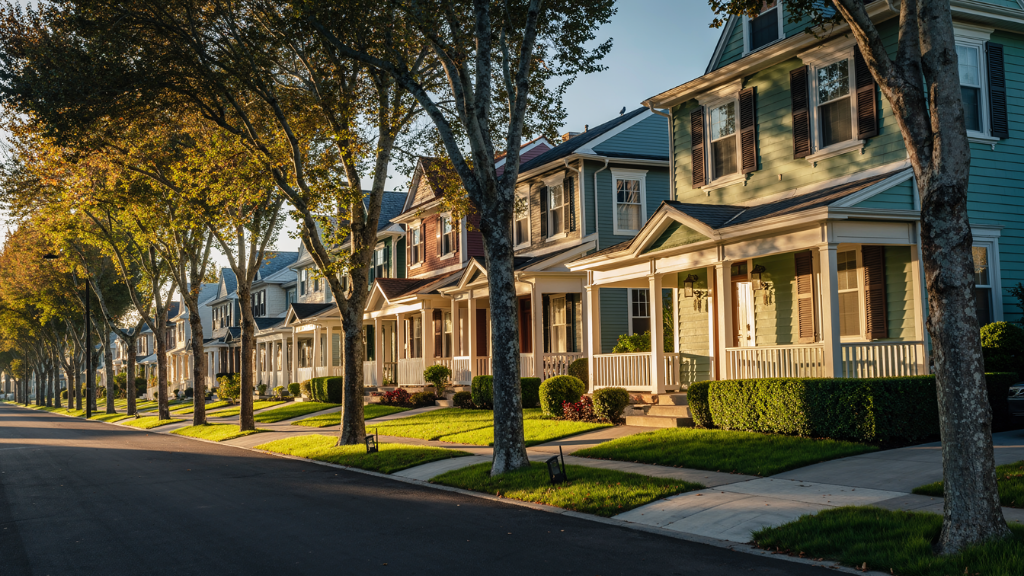
The transition leads to towns like Newton, Wellesley, Lexington, Weston, Brookline, and MetroWest communities like Southborough, Hopkinton, and Sudbury. These towns offer strong schools, green space, and good housing stock. They also stay well connected to Boston by commuter rail and major highways.
The median home price in Newton hit roughly $1,825,000 in 2025. In Wellesley, around $2 million. Above all, these prices reflect sustained demand, not short-term spikes.
What Do Gen Z Buyers Want When Buying Homes in Greater Boston?
This is where my 20-plus years as a licensed general contractor and master finish carpenter shape my work as a real estate advisor.
Gen Z homebuyers in Greater Boston are practical. National data shows they are the generation most likely to buy previously owned homes. Even better, they will take on a property that needs work, as long as the bones are good.
They look past finishes. For example, they ask about insulation, HVAC age, electrical panel capacity, and whether renovations were properly permitted. Projects don’t scare them. Rather, they just want clarity before they commit.
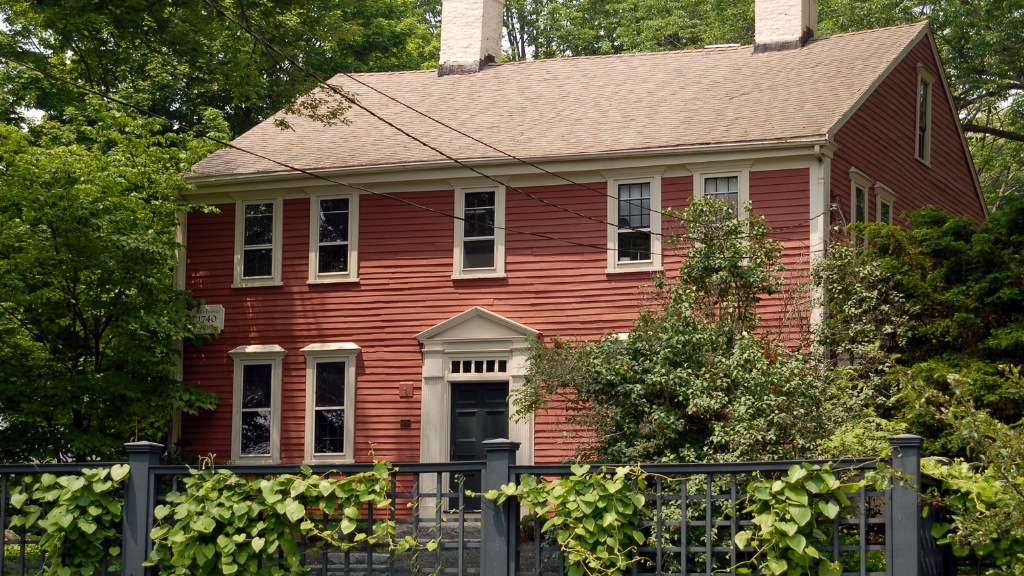
In Newton and Wellesley, that creates tension. Much of the housing stock was built in the early-to-mid 1900s. As a result, many homes have been through multiple renovations with mixed quality and mixed compliance.
For Gen Z buying homes in Greater Boston, an agent who understands construction is essential, not optional.
What This Means for Sellers in Greater Boston
If you own a home in Newton, Wellesley, Lexington, or anywhere in MetroWest Massachusetts, this shift matters. The Newton Wellesley housing market is already feeling it. In short, Gen Z buying homes in Greater Boston is creating a steady wave of demand for young professionals Boston suburbs across the next decade.
Not every home will sell itself. Inventory is tight. New housing permits keep falling short of demand. So buyers searching for suburban homes near Boston in this price range are sharp.
They respond to homes that are well-maintained, thoughtfully updated, and honestly represented. They also spot deferred maintenance and cosmetic shortcuts fast.
For sellers, the strategy is clear. Invest in the improvements that matter. Price accurately. Above all, work with an agent who understands market data and construction quality.
The Bigger Picture for Gen Z Buying Homes in Greater Boston
Boston’s economy keeps outperforming. The drivers are biotech, healthcare, higher education, and a deepening tech sector. Major institutions like Harvard, MIT, and Mass General Brigham create a powerful cycle of talent and opportunity.
Talent attracts employers. In turn, employers attract more talent. Together, they drive housing demand in a market with tight supply.
The Gen Z migration data reinforces a clear trend. Boston is strengthening its position nationally. As a result, the ripple effects on suburban markets, especially the Newton Wellesley housing market, are significant.
Every young professional who roots in the city today is a likely buyer of suburban homes near Boston within five to ten years. So that directly supports long-term demand in towns like Newton, Wellesley, and Lexington.
These communities stay desirable for their schools and neighborhoods. They also stay desirable because they sit at the receiving end of this demographic pipeline.
Why Working With an Agent Who Has Built Homes Gives You an Edge
Whether you’re a first-time buyer exploring the suburbs or a homeowner planning a next move, experience matters.
My 20-plus years as a licensed general contractor and master finish carpenter let me look at every property through a builder’s lens. As a result, I can identify structural concerns, judge renovation quality, and spot deferred maintenance that others miss.
About Paul Neavyn
Paul Neavyn is a Global Real Estate Advisor with Gibson Sotheby’s International Realty serving Greater Boston and MetroWest, Massachusetts. A Newton native with more than 20 years of experience as a licensed general contractor and master finish carpenter, Paul brings a builder’s eye to every transaction, helping buyers and sellers see properties the way a construction professional does.
paulneavynrealestate.com
